
Leaderboard



Popular Content
Showing content with the highest reputation on 08/31/2025 in all areas
-
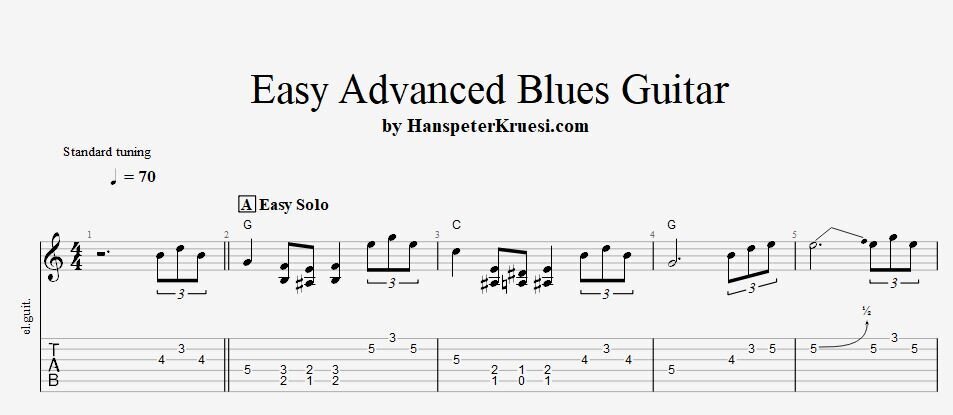
Easy Advanced Blues Guitar
Randy and one other reacted to medikon for a post in a topic
2 pointsThank you Hanspeter, what you mentioned about 7th chords (7:30) is a cool rule of thumb! I knew that level V in the cadence should usually be a 7th chord, but I didn't know exactly why. Gemini replied to my question with this: The "rule of thumb" you're describing is not a hard-and-fast rule, but it is a very common and powerful technique. The practice of using a dominant 7th chord (V7) before a chord change is fundamental to what's known as a V-I cadence. Here's why it works and why it's so widely used: Tension and Resolution: A dominant 7th chord is inherently unstable and creates a strong sense of tension. The root of the chord is the fifth degree of the scale you are moving to (the "tonic"). The 7th of the chord creates a tritone with the 3rd, which is a very unstable interval. This tension creates a strong pull or need to resolve to the stable, tonic chord (the "I"). Creating Forward Motion: By placing a dominant 7th chord right before a new chord, you are essentially "setting up" the next chord. It creates a feeling of forward motion and expectation, making the chord change feel purposeful and satisfying. Defining the Key: This V-I relationship is the backbone of traditional harmony and is how we define a key. By playing a G7 chord, for example, the listener immediately anticipates a C major chord, which firmly establishes C as the tonic. Thanks and best regards, Roland2 points -
1 pointHere we want to take your blues guitar skills to the first advanced level the easy way. The goal is that you can play along with the chords. In this case it's a standard blues form in G with quickchange : G7 / C7 / G7 / G7 / C7 / C7 / G7 / G7 / D7 / C7 / G7 / D7 Here you can download the files associated to this tutorial :
 1 point
 -
Autumn Leaves is probably one of the most popular jazz standards and it's a must at every cool jazz jamsession. There are many ways to play Autumn Leaves on guitar and also many ways to create a cool improvisation over this great tune. In this tutorial I will show you a very easy approach to play the chords, the melody and to play a very simple but effectiv jazzy improvisation by moving a motiv in a way the melody already works. At the very end of this tutorial I will play a version which shall give you some inspiration. Below you find the chapters of this tutorial. 0:00 Introduction 2:11 Chords 10:22 Melody 18:44 Improvisation 30:23 Inspiration Autumn Leaves.pdf Autumn Leaves.gp autumne leaves.mp31 point